
Introduction
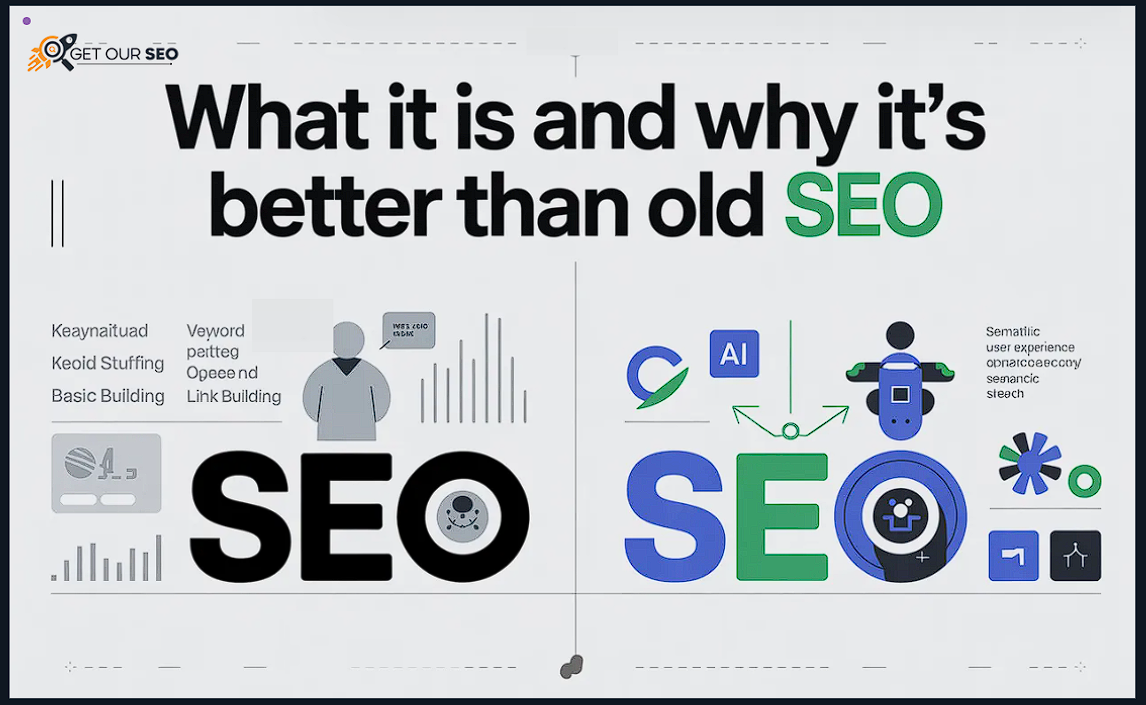
Search Engine Optimization has evolved significantly since its inception. If you’ve been in digital marketing for a few years, you already know that simply adding keywords and building backlinks is no longer enough. Today, search engines are smarter, users are more demanding, and competition is tougher than ever.
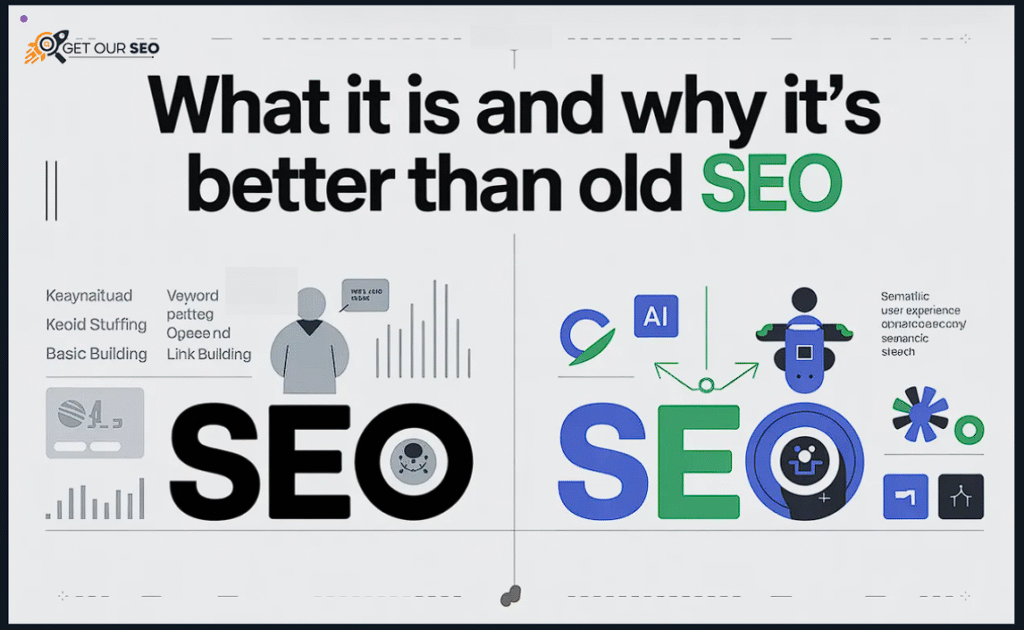
This is where SEO 2.0 comes into play. It’s not just an updated version of SEO—it’s a complete shift in how we approach search engine optimization. Instead of focusing only on search engines, modern SEO focuses on users, intent, and experience.
In this blog, we’ll clearly explain what SEO 2.0 is, how it differs from traditional SEO, and why it’s the future of digital growth.
What is SEO 2.0?
SEO 2.0 is a modern approach to search engine optimization that focuses on understanding user intent, creating high-quality content, and optimizing for AI-driven search engines.
In simple words, SEO 2.0 is about answering the user’s question better than anyone else on the internet.
Unlike traditional SEO, where marketers used tricks like keyword stuffing or spammy backlinks, SEO 2.0 focuses on:
- Writing content that genuinely helps users
- Structuring websites for a better experience
- Using natural language instead of robotic keywords
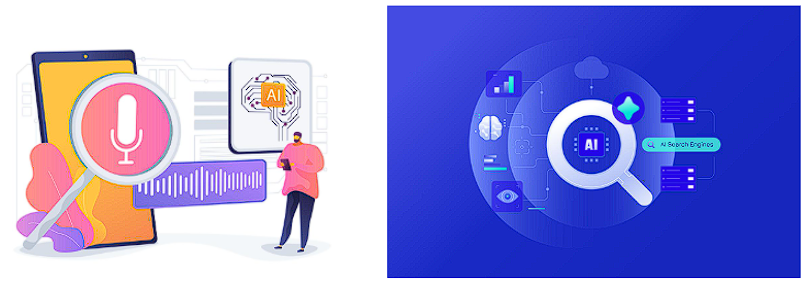
- Optimizing for voice and conversational searches
Today, Google doesn’t just look at keywords—it understands the meaning behind searches. That’s why websites that provide real value rank higher.
What is Old SEO (Traditional SEO)?
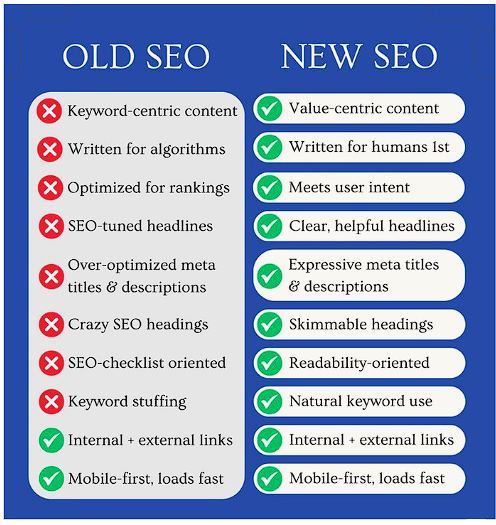
Before SEO 2.0, most strategies were focused on manipulating search engines rather than helping users.
Old SEO techniques included things like repeating the same keyword again and again, creating hundreds of low-quality backlinks, and writing content only for ranking—not for reading.
For example, a blog post would repeat a keyword like “best SEO services” 20–30 times just to rank. While this worked earlier, it made content unreadable and frustrating for users.
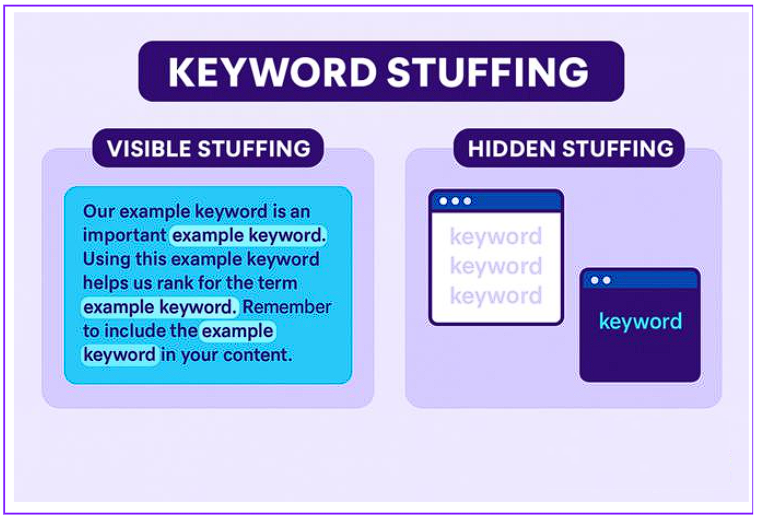
Over time, search engines evolved and started penalizing such practices. Today, these outdated techniques can actually harm your rankings.
SEO 2.0 vs Old SEO: What’s the Real Difference?
The biggest difference between old SEO and SEO 2.0 lies in intent and experience.
Old SEO was all about “How can I rank?”
SEO 2.0 is about “How can I help the user?”
In traditional SEO, success depended on how well you could optimize keywords and build backlinks. But in SEO 2.0, success depends on how well your content solves a problem, how easy your website is to use, and how long users stay on your page.
This shift has made SEO more challenging—but also more rewarding for businesses that focus on quality.
Why SEO 2.0 is Better Than Old SEO
1. It Focuses on Real User Intent
SEO 2.0 goes deeper than keywords. It tries to understand what the user actually wants.
For example, if someone searches “SEO services,” they might be looking for pricing, reviews, or the best agency. Modern SEO ensures your content addresses all these possibilities.
This increases engagement, builds trust, and improves rankings naturally.
2. Content Becomes More Valuable
Instead of writing content just to rank, SEO 2.0 encourages you to create content that people actually enjoy reading.
Well-written, informative, and structured content:
- Keeps users on your website longer
- Reduces bounce rate
- Improves conversions
In short, good content now directly impacts your business growth.
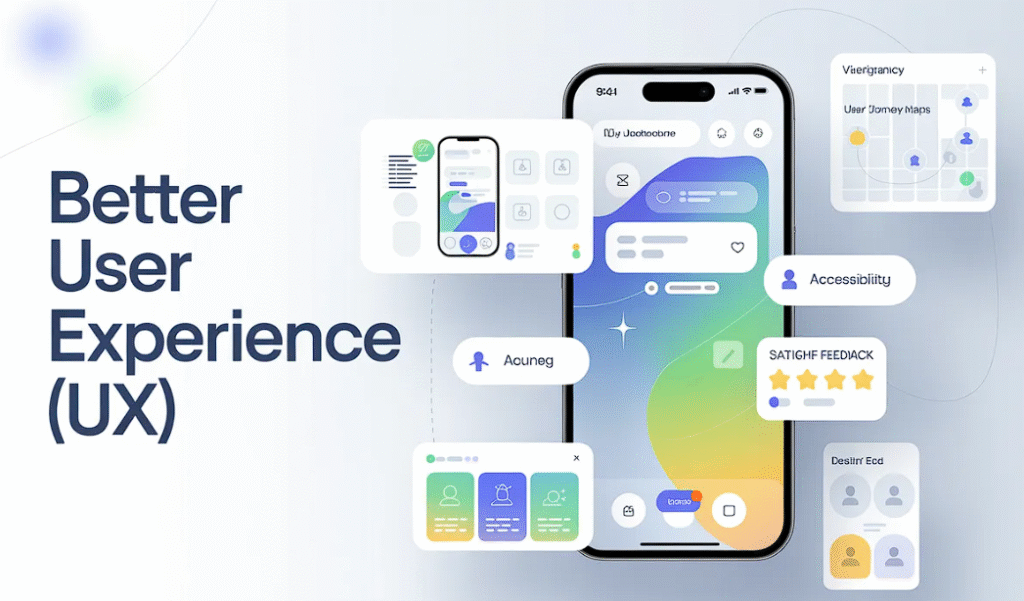
3. Better User Experience (UX)

User experience has become a major ranking factor. If your website is slow, confusing, or not mobile-friendly, users will leave—and Google will notice.
SEO 2.0 focuses on:
- Fast-loading pages
- Mobile-friendly design
- Clean navigation
- Easy-to-read content
A good user experience not only improves rankings but also increases sales.
4. Voice Search is Changing Everything
People are no longer typing short keywords—they’re asking full questions.
For example:
- Old SEO: “SEO agency Delhi”
- SEO 2.0: “Which is the best SEO agency in Delhi for small businesses?“
This shift means your content must sound natural and conversational.
5. Google is Smarter Than Ever
Search engines now use AI to understand:
- Context
- Search intent
- Content quality
This means you can no longer “trick” Google. The only way to rank is by providing genuine value.
How to Implement SEO 2.0 on Your Website
To succeed in modern SEO, you need to adapt your strategy.
Start by understanding your audience. What are they searching for? What problems do they want to solve?
Then, create content that answers those questions clearly and in detail.
Use semantic keywords instead of repeating the same phrase. For example, instead of using “SEO services” again and again, also include:
- Digital marketing SEO
- Search engine optimization services
- Website ranking strategies
Make sure your website is fast, mobile-friendly, and easy to navigate. Also, focus on building high-quality backlinks from trusted websites instead of spammy directories.
Common Mistakes to Avoid
Even in 2026, many businesses still follow outdated practices.
Avoid:
- Overusing keywords
- Publishing thin or duplicate content
- Ignoring mobile optimization
- Buying low-quality backlinks
These mistakes can reduce your rankings instead of improving them.
The Future of SEO

SEO will continue evolving with advancements in AI and user behavior.
In the future, we can expect:
- More personalized search results
- Increased use of voice search
- AI-generated answers directly on search pages
- Greater importance of brand authority
Businesses that adapt early will have a strong competitive advantage.
Conclusion
SEO 2.0 is not just a trend—it’s the new standard.
If you want long-term success, you need to move away from outdated tactics and focus on creating value for your audience. When you prioritize users, rankings will follow automatically.
About GetOurSEO
At Getourseo.com, we specialize in helping businesses grow with advanced SEO 2.0 strategies.
We understand how modern search engines work, and we create customized strategies that deliver real results—not just rankings, but actual leads and revenue.
Our Services Include:
- Complete SEO Optimization
- Technical SEO Audits
- Content Marketing
- Google Ads & Performance Marketing
- Website Development
Why Choose GetOurSEO?
With over 6+ years of experience, we focus on result-driven strategies, transparent communication, and affordable pricing.
If you want to grow your business using modern SEO techniques, we’re here to help.
🌐 Visit: https://getourseo.com
📞 Contact us today and take your digital growth to the next level.
FAQ Section
SEO 2.0: What It Is and Why It’s Better Than Old SEO
Search Engine Optimization has evolved rapidly over the years. What once worked with simple keyword stuffing and backlinks is no longer effective. Today, search engines focus more on user intent, experience, and content quality. This shift has given rise to SEO 2.0 — a modern approach that prioritizes users over algorithms. In this guide, we’ll explore what SEO 2.0 is, how it differs from traditional SEO, and why it is essential for your business growth.
What is SEO 2.0?
SEO 2.0 is a modern, user-focused approach to search engine optimization that emphasizes high-quality content, search intent, and AI-driven algorithms. Instead of focusing only on keywords, SEO 2.0 ensures that your content answers user queries in the most helpful and natural way possible.
What is Traditional SEO?
Traditional SEO mainly focused on ranking techniques such as keyword density, backlink quantity, and meta tag optimization. While these methods worked in the past, they often ignored user experience.
This led to low-quality content that ranked well but failed to provide real value to users.
Why SEO 2.0 is Better?
SEO 2.0 improves rankings by focusing on what truly matters — the user. It ensures better engagement, lower bounce rates, and higher conversions. By creating valuable content and improving user experience, websites naturally rank higher without relying on outdated tricks.
Key SEO 2.0 Strategies
Create high-quality, helpful content. Use semantic and natural keywords. Optimize for mobile and page speed. Focus on user intent. Build high-quality backlinks